
Pelvic Floor Exercises
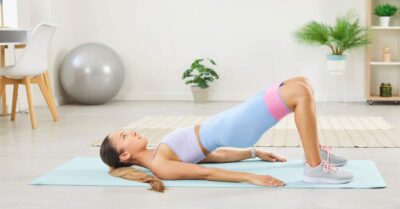 Your pelvic floor is a group of muscles and tissues that act like a supportive foundation, holding the bladder, uterus, and rectum in place.
During pregnancy, the pelvic floor muscles are placed under extra pressure. Your growing baby adds weight. Muscles are stretched and challenged throughout pregnancy and delivery.
Vaginal childbirth can weaken them further, but women who have a C-section may also experience changes in pelvic floor strength.
Women’s Health Clinic of Southern Oregon in Springfield, OR, and Ashland, OR has providers specializing in pelvic floor exercises. We’re here to coach you through regaining strength after childbirth, so you can prevent future problems.
What Happens When the Pelvic Floor Weakens?
When pelvic floor muscles become stretched or weak, support is lost.
Pelvic organ prolapse happens when the muscles and tissues become too weak to support nearby organs properly. As a result, the bladder, uterus, or rectum may shift downward and press into the vaginal wall. Women with prolapse often describe a feeling of fullness, pressure, or pulling in the pelvic area. In some cases, a bulge may be seen or felt inside the vagina. This weakening may also lead to:
- Stress incontinence– leaking urine when you cough, sneeze, laugh, or exercise
- Urge incontinence– sudden, strong urges to urinate and difficulty holding it
- Involuntary loss of stool or gas
- Trouble fully emptying urine or stool
- Pain or discomfort during sex
Pelvic floor changes are common after pregnancy and delivery, but they don’t have to be permanent. With targeted exercises, you can restore strength and control and work to reduce uncomfortable symptoms.
How Can I Get Started with Pelvic Floor Exercises?
If you’ve recently given birth, it’s always wise to check with your OB/GYN before starting pelvic floor exercises. They can make sure you’re recovered and healed enough, especially if you’ve had a C-section, tearing, or stitches.
Rebuilding strength in your pelvic floor is a gradual process, and it’s normal for progress to feel slow at first. The key is to keep at it and be gentle with yourself along the way.
Kegel Exercises
Kegels are one of the most effective ways to retrain and strengthen this area. When you stop the flow of urine or hold back gas, you are engaging your pelvic floor muscles. To perform Kegels:
- Gently contract the muscles and hold the squeeze for 8 to 10 seconds
- Relax completely, allowing the muscles to release
You may not be able to hold the full count at first, but strength will build with practice, and a few sessions a day can help.
Pelvic floor muscles work differently depending on your body position. Lying down may feel easiest at first, especially right after birth. As you get stronger, practice Kegels while sitting or standing. This variety helps your muscles adapt to real-life situations, like sneezing while standing.
Exercising Your Core and Pelvic Floor
In addition to Kegels, several exercises can further support healing by engaging your pelvic floor and core together:
- Pelvic tilt. Lie on your back, tilt your pelvis upward to flatten your lower back, and contract your pelvic floor as you hold.
- Bridge. Lie on your back with your knees bent and your feet flat. Lift your hips while squeezing your pelvic floor. Hold, then lower.
- Squats. Lower into a squat as if sitting in a chair, engaging your pelvic floor as you move. Rise back up.
- Bird dog. While on your hands and knees, extend one arm and the opposite leg. Keep your core tight and pelvic floor engaged. Switch sides.
- Wall squat. Lean against a wall, slide down to a seated position, and contract your pelvic floor as you hold that position.
- Heel slides. While lying on your back, slowly slide one heel out to straighten your leg, then return while engaging your pelvic floor. Repeat with the other leg.
It is important to remember, especially in the early weeks after childbirth, that your body is still healing. Begin with short, gentle holds of just a few seconds at a time. Even light squeezes can help activate the muscles and remind your body how to engage them. Don’t push for long holds right away. Increase the time only as your strength improves.
Like with any exercise, regular practice is what brings results. Try to make pelvic floor exercises part of your daily routine. Improvements often take several weeks, so don’t be discouraged if you don’t notice immediate changes.
Should I Reach Out to My Doctor?
While mild weakness can be common in the weeks after giving birth, some symptoms deserve more attention. Contact your doctor if you experience:
- Persistent urinary leakage that doesn’t improve with exercises over time
- Involuntary loss of stool or gas
- A feeling of bulging, heaviness, or pressure in the vagina, which may signal pelvic organ prolapse
- Pelvic pain or lower back pain
- Pain during intimacy that doesn’t go away
- Difficulty emptying your bladder or bowels
These are signs that your pelvic floor needs more support than exercise alone can provide. An evaluation can lead to early treatment, which can prevent symptoms from getting worse.
Pelvic Floor Exercises FAQs
1. Can I have a weak pelvic floor if I had a C-section?
Yes. Pregnancy itself puts constant pressure on the pelvic floor. Hormonal changes, carrying the baby, and the weight of the uterus can all stretch and weaken these muscles. Many women who had C-sections still experience pelvic floor issues like leakage or heaviness.
2. How long after giving birth should I wait before starting pelvic floor exercises?
Most women can begin gentle pelvic floor exercises like Kegels within a few days after an uncomplicated birth, but it’s always best to confirm with your doctor. If you had a C-section, stitches, or complications, your doctor may suggest waiting longer before beginning.