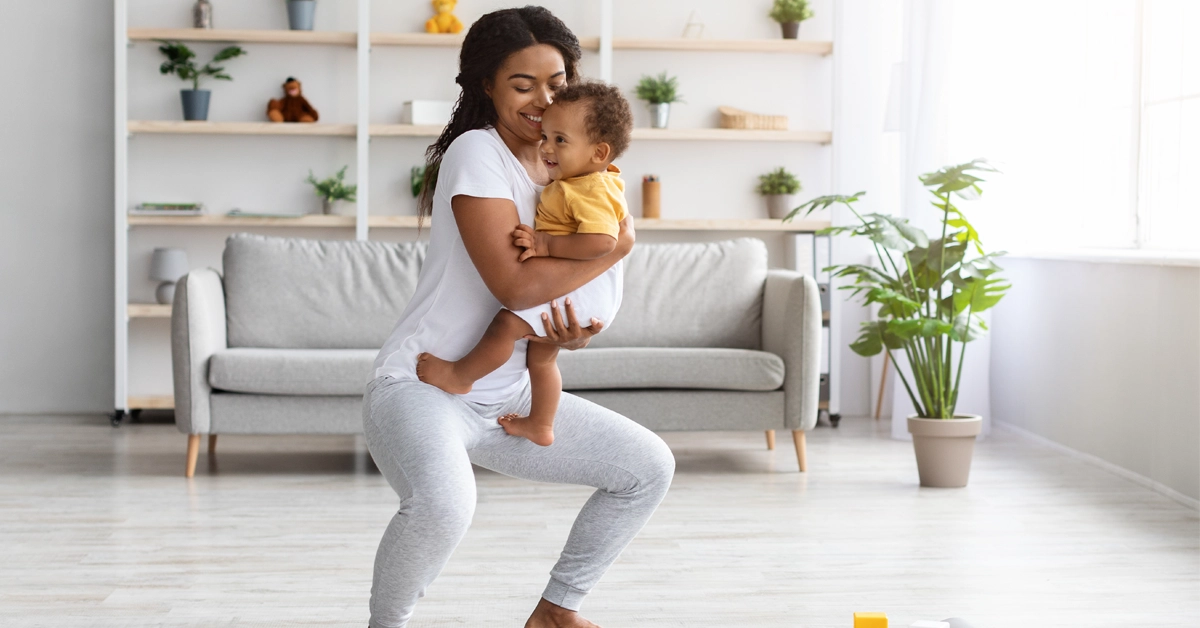
If you’re wondering when the pregnancy weight will come off, you’re not alone. Postpartum weight loss often starts quickly after delivery, then slows over the next few weeks and months.
Your body is also recovering from pregnancy and childbirth. That’s why it’s best to lose weight gradually instead of trying to get back to your pre-pregnancy weight as quickly as possible.
How Much Weight Do You Lose After Giving Birth?
You lose some weight during delivery from the baby, placenta, and amniotic fluid. Your body also gets rid of extra fluid in the days after birth.
After that, weight loss usually slows down. How much you have to lose depends in part on how much you gained during pregnancy and your weight before pregnancy.
For many women, getting closer to their pre-pregnancy weight can take six months to a year. Weight loss may not happen at the same rate from one month to the next.
When Is It Safe to Start Postpartum Weight Loss?
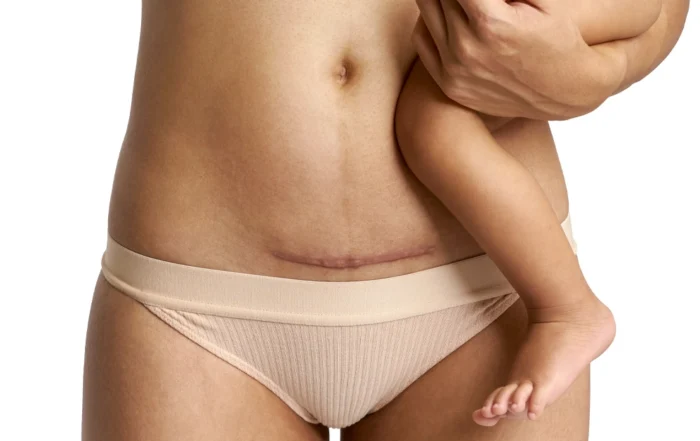
The first weeks after having a baby are a time for recovery. Your uterus is shrinking, and your abdominal and pelvic floor muscles are healing. If you had a C-section, your body is also recovering from surgery.
Instead of cutting calories or jumping back into hard workouts, focus on eating well and slowly becoming more active. As your body heals, you may start with:
- Short walks
- Pelvic floor exercises
- Gentle core exercises
- Light strengthening as you recover
You can gradually do more as you feel stronger. Your OB/GYN can tell you when it’s safe to return to more intense exercise.
How Fast Should You Lose Weight After Pregnancy?
Once you’ve recovered from delivery and your doctor says it’s safe, slow and steady weight loss is usually the goal.
Trying to lose weight too quickly can make it harder to get the calories and nutrients your body needs, especially if you’re breastfeeding.
Rather than following a strict diet, focus on healthy eating, regular movement, and habits you can maintain.
What Should You Eat for Postpartum Weight Loss?
You don’t need a special postpartum diet to lose weight.
Life with a new baby can make regular meals difficult. Keeping simple, filling foods on hand can make healthy choices easier.
Try to include foods with protein, fiber, and other nutrients, such as:
- Eggs
- Poultry
- Fish
- Beans
- Greek yogurt
- Vegetables
- Fruit
- Whole grains
Small changes to the way you eat, along with regular physical activity, can be easier to maintain than an aggressive diet.
Does Breastfeeding Help With Postpartum Weight Loss?
Breastfeeding may help some women lose weight, but it doesn’t guarantee that the weight will come off faster.
Some women lose weight while breastfeeding. Others hold onto more weight until they begin nursing less or stop breastfeeding.
If you’re breastfeeding, your body needs extra calories and nutrients to make milk. Cutting calories too much may leave you tired and could affect your milk supply.
What If You’re Struggling to Lose Weight After Pregnancy?
Pregnancy can change more than the number on the scale. Your body may not return to exactly the same weight or shape it was before pregnancy.
If you’re eating well and staying active but are still concerned about your weight, talk with your doctor. Your OB/GYN can review your recovery and talk with you about what may be affecting your weight.
Postpartum Weight Loss Support in Grants Pass and Ashland, OR
There’s no single timeline for postpartum weight loss. Give your body time to recover and focus on habits you can maintain.
If you have questions about your weight or recovery after having a baby, talk with the OB/GYN team at Women’s Health Center of Southern Oregon. We care for women in Grants Pass and Ashland, OR, and can help you find an approach that supports your recovery and long-term health.
Schedule an appointment to talk with your OB/GYN about your postpartum recovery.
Related:
Find Your Care
Our team of OB/GYN specialists is ready to assist you. To schedule an appointment, please call us at 541-479-8363.